
To More Inquiry
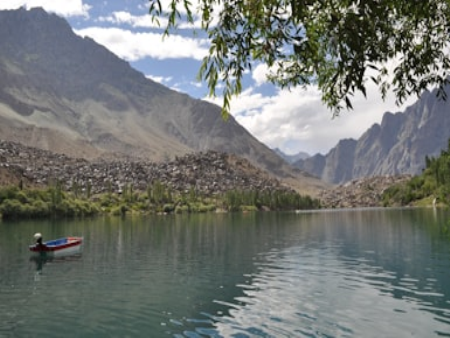
Pakistan is a country where culture is not confined to museums or history books—it lives in everyday conversations, city streets, family homes, and centuries-old traditions. Cultural travel in Pakistan offers more than sightseeing; it is an invitation to understand stories shaped by ancient civilisations, diverse ethnic communities, spiritual practices, and a deep-rooted sense of hospitality. From vibrant cities to quiet villages, Pakistan’s cultural landscape is layered, emotional, and unforgettable. A Land Shaped by Civilisations Few countries can claim cultural roots as old as Pakistan’s. The Indus Valley Civilisation, one of the world’s earliest urban societies, flourished here over 4,000 years ago. Sites like Mohenjo-daro and Harappa reveal advanced town planning, drainage systems, and social organisation that continue to fascinate historians and travellers alike. Over centuries, Pakistan absorbed influences from Persian, Central Asian, Arab, and South Asian cultures. Each wave left behind architectural styles, languages, cuisines, and traditions that coexist today. This fusion makes cultural travel in Pakistan especially rich—every region tells a different story, yet all are interconnected. Lahore: The Cultural Heartbeat No cultural journey through Pakistan is complete without Lahore. Often called the soul of the country, Lahore blends Mughal grandeur with modern artistic expression. The Walled City, with its narrow alleys and carved wooden balconies, feels like a living museum. Landmarks such as the Badshahi Mosque, Lahore Fort, and Shalimar Gardens speak of imperial ambition and artistic refinement. Beyond architecture, Lahore is a city of ideas, poetry, and food. Traditional music gatherings, literary festivals, and street food culture thrive here. For many international travellers, especially from the UK arriving via flights to Lahore, the city becomes their first encounter with Pakistan’s cultural depth—loud, colourful, chaotic, and deeply welcoming. Karachi: Stories of Migration and Modern Identity Karachi, Pakistan’s largest city, presents a different cultural narrative. As a coastal metropolis shaped by migration, trade, and industry, Karachi represents modern Pakistan’s diversity. From historic neighbourhoods like Saddar to seaside shrines and colonial-era buildings, the city reflects layers of identity. Cultural travel in Karachi often revolves around people—their stories of movement, resilience, and reinvention. Art galleries, independent theatres, and literary cafés have become important spaces for contemporary cultural expression. At the same time, traditional Sindhi, Balochi, and Urdu influences remain visible in dress, music, and cuisine. The North: Traditions in the Mountains Northern Pakistan offers cultural experiences shaped by geography and isolation. In Gilgit-Baltistan and parts of Khyber Pakhtunkhwa, ancient traditions have been preserved through generations. Communities in Hunza, Kalash, and Chitral maintain distinct languages, dress, and social customs. The Kalash people, in particular, are known for their vibrant festivals, music, and spiritual beliefs that differ from those of the surrounding regions. Cultural travellers who visit these areas are often struck by the strong sense of community and respect for nature. Here, stories are passed orally, hospitality is instinctive, and traditions remain central to daily life. Sindh and Balochistan: Soulful Heritage Sindh’s cultural identity is deeply spiritual and poetic. Sufi shrines such as those of Shah Abdul Latif Bhittai and Lal Shahbaz Qalandar are not just religious sites but cultural centres where music, dance, and devotion merge. Travellers attending these gatherings witness a powerful expression of faith that transcends boundaries of class and background. Balochistan, vast and often misunderstood, offers a quieter but equally profound cultural experience. Tribal customs, handmade crafts, and folk music reflect resilience and pride. Cultural travel here requires patience and openness, but it rewards visitors with rare authenticity and human connection. Traditions That Bind the Nation Across Pakistan, certain cultural values remain constant. Hospitality is perhaps the most defining trait. Guests are treated with warmth and generosity, often beyond expectation. Sharing meals, stories, and time is considered an honour rather than an obligation. Traditional clothing such as shalwar kameez, regional embroidery, and handcrafted jewellery remains widely worn, especially during festivals and weddings. Music—whether classical, folk, or contemporary—continues to serve as a bridge between generations, carrying stories of love, loss, faith, and resistance. Cultural Travel Through Food Food is one of the most accessible ways to experience Pakistan’s culture. Each region has its own flavours and culinary traditions, shaped by climate, history, and trade routes. From slow-cooked curries and aromatic rice dishes to street snacks and sweet desserts, meals are deeply social experiences. Food travel often leads visitors into local homes, roadside eateries, and bustling markets—places where cultural exchange happens naturally. Recipes are shared like family secrets, and conversations flow as freely as the tea. Stories, Not Just Destinations What sets cultural travel in Pakistan apart is its emphasis on storytelling. Every city, shrine, mountain village, and marketplace carries narratives passed down through generations. Travellers who take time to listen—whether to a guide, a shopkeeper, or a host family—gain insights that go far beyond guidebooks. As more international travellers explore Pakistan, improved connectivity has made cultural journeys easier. With many international flights to Pakistan now available, diaspora visitors and cultural explorers can engage more deeply with the country’s heritage and identity. Final Thoughts Cultural travel in Pakistan is not about ticking landmarks off a list. It is about understanding how traditions survive, how cities evolve, and how stories shape a nation’s soul. From ancient ruins to living festivals, Pakistan offers cultural experiences that are immersive, emotional, and profoundly human. For travellers seeking meaning, connection, and authenticity, Pakistan is not just a destination—it is a story waiting to be heard.
Don’t miss our exclusive offers


Customer Comments
Leave Your Comment: